At Mooi Parquet, we work with various types of wood, each with a unique appearance, structure, and character. Below you will find an overview of the most commonly used wood types, their properties, and finishing options.

Oak wood has a yellowish-brown to dark brown color, possibly with pale brown sapwood. The wood has a moderate to coarse texture with a straight grain. The movement of oak is moderate, and it lends itself excellently to various surface finishes.

Steamed beech wood has a wide variety of colors — from pink to light red — and radiates warmth. The grain is dense, uniform, and fine, with a straight to wavy grain. Steamed beech has significant movement; therefore, the wood must acclimatize well before installation. Beech takes well to finishing with hardwax oil or lacquer.

Ash wood has a broad sapwood with colors ranging from white to yellowish or light yellow-brown, while the heartwood is brown. Exposure to light causes the wood to yellow over time. The texture is coarse and the grain is straight or slightly wavy. It has significant movement, so proper acclimatization is important. Ash is excellent for finishing with oil or varnish.

Kambala, also known as Afromosia, has heartwood that is yellowish-brown to dark brown with golden-brown tints and yellowish-white sapwood. The wood strongly resembles teak in appearance. The texture is fine, and the grain varies from straight to interlocked. Kambala has minimal movement and can be easily finished with oil or varnish.

Cherry wood has a veined structure and light green striped heartwood that is yellowish-brown and discolors to light red. The texture is fine, usually with a straight grain. Dimensional stability is moderate, and the wood finishes well with oil or varnish. Note: contact with iron or brass can cause discoloration.

Mahogany or Sipo has heartwood that varies from salmon-colored, pink, or red to reddish-brown and golden-brown. The sapwood is white to yellow in color. The texture is fine to moderately coarse, and the grain is straight to slightly interlocked. Mahogany has minimal movement and can be finished well with oil or varnish. Contact with iron can cause discoloration.
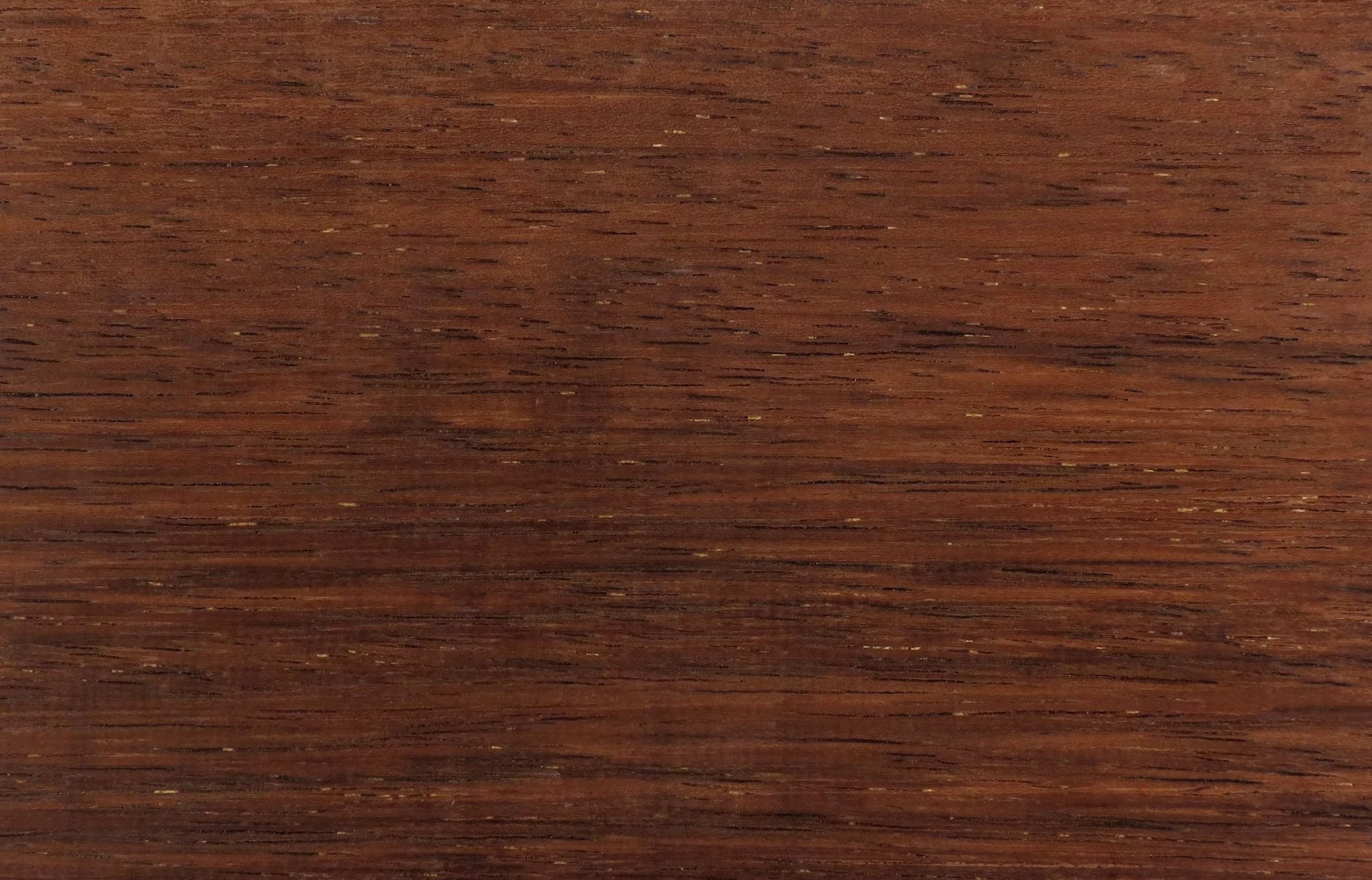
Merbau is yellow to orange-brown and darkens over time to deep brown or reddish-brown. It sometimes contains blackish zones that are characteristic of this wood species. The grain is moderately coarse with a straight to slightly interlocked pattern. Merbau has minimal movement and is easy to finish with oil or lacquer.
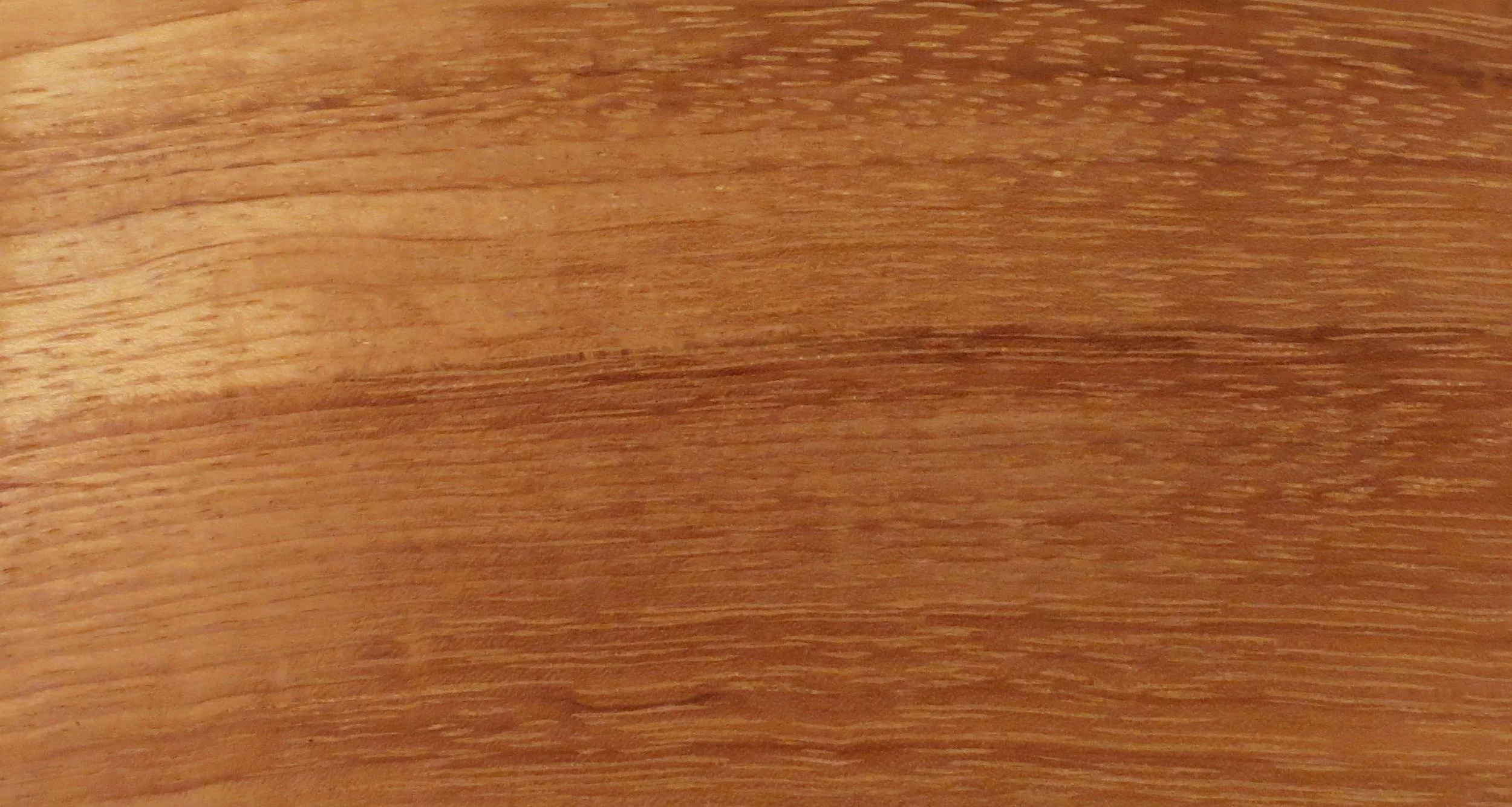
Afzelia or Doussié has a dark yellow to reddish-brown color with pale yellow sapwood. The texture is fine with a cross-grain or irregular grain pattern. This wood has minimal movement and finishes well with oil or lacquer.

Jatoba is flesh-colored to pinkish-pink and discolors to reddish-brown with dark streaks and a beautiful sheen. The texture is moderately coarse and the grain is straight to slightly interlocked. Dimensional stability is medium and the surface is easy to finish with oil or varnish.
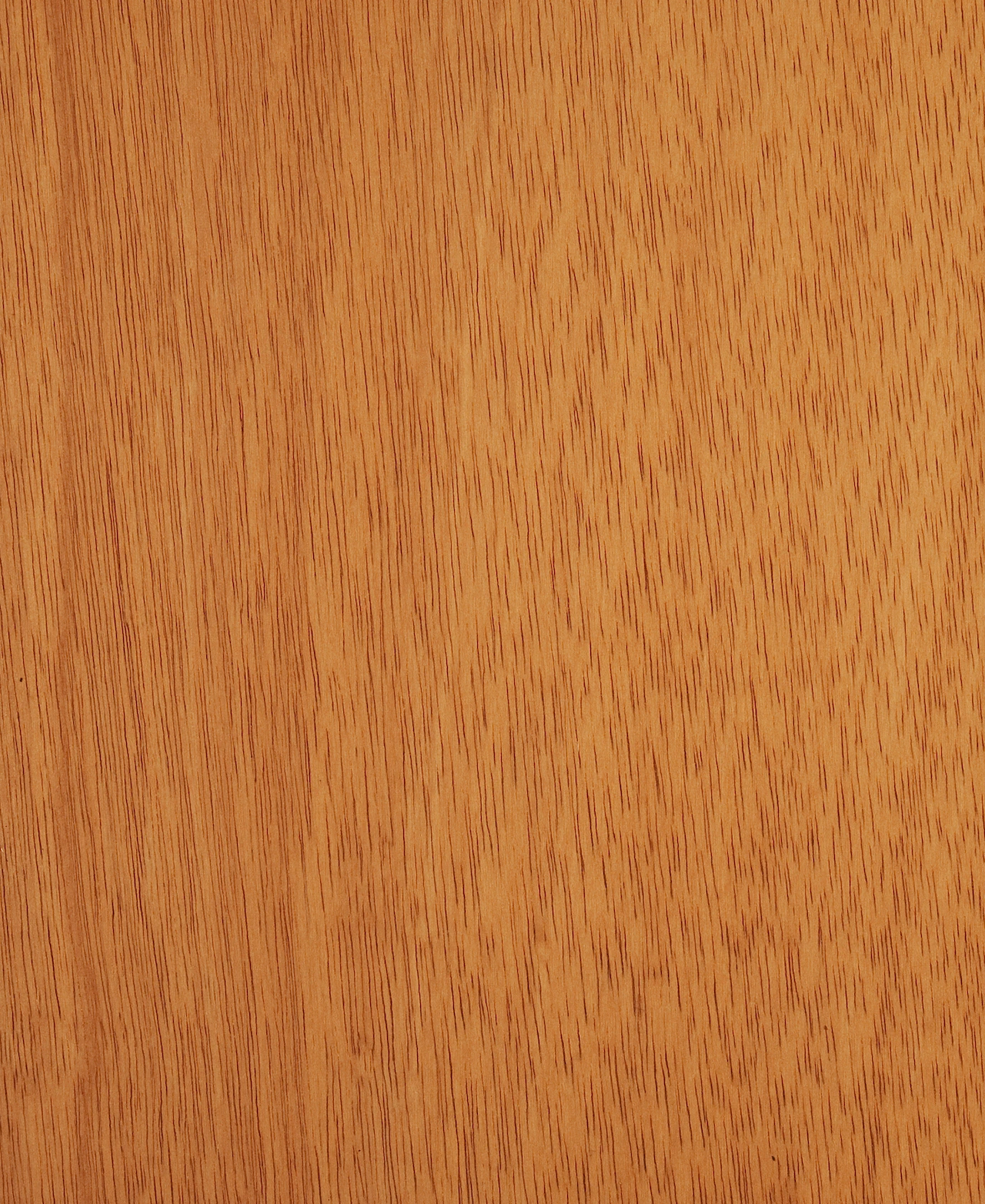
Ruby, also known as Curupixa, is a hardwood with a brown to rose-brown tint that changes to pink-orange-brown when exposed to light. The texture is fine and barely visible. The wood has little interlocking and a smooth grain pattern. Shrinkage is moderate to high, so proper acclimatization is necessary. Ruby can be finished well with oil or varnish.

American walnut is warm dark brown in color with a fine to moderately coarse texture. The grain is straight, sometimes wavy or irregular. Movement is moderate, and the wood is highly suitable for high-quality finishes with oil or lacquer.

Mooi Parquet stands for craftsmanship, quality, and timeless elegance. We supply and install parquet and herringbone floors of the highest quality, with an eye for detail and a perfect finish. Thanks to experienced specialists, reliable suppliers, and tight planning, you will enjoy a floor that lasts for generations.